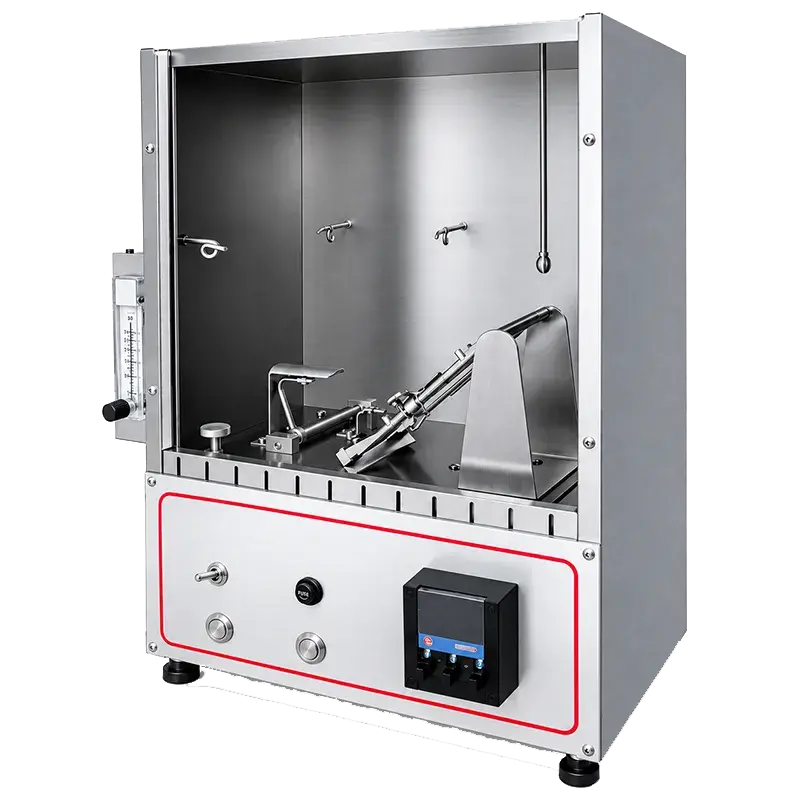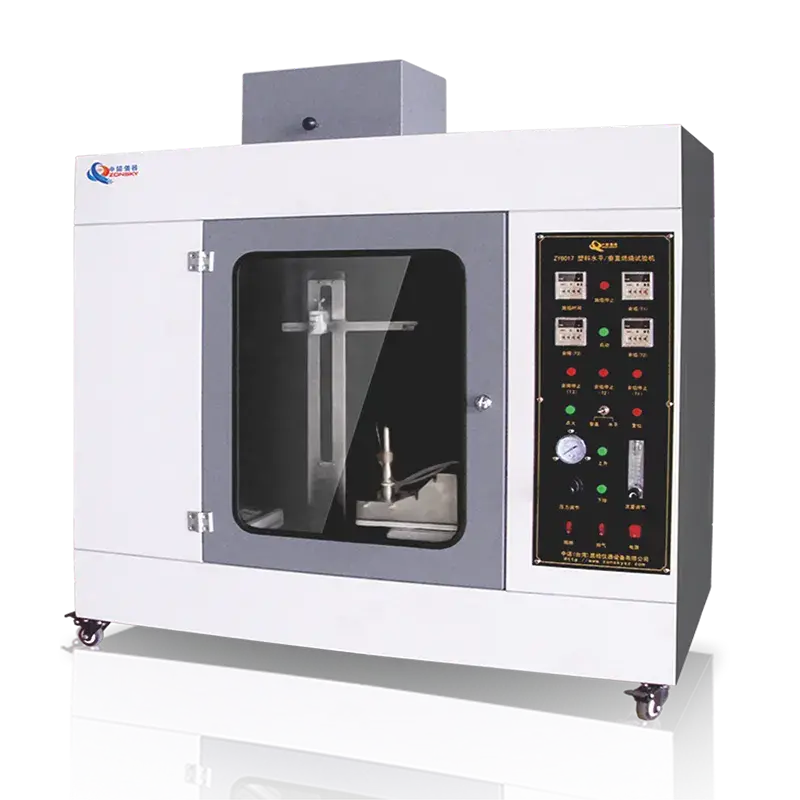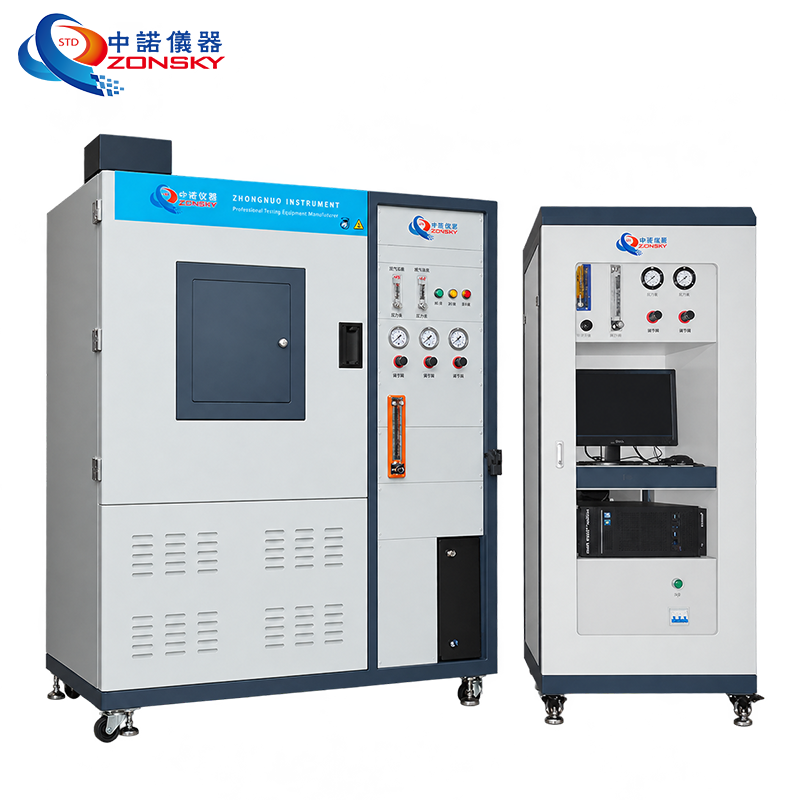
Fire testing instruments are precision systems. A cone calorimeter, SBI test rig, or cable flame spread apparatus is only as reliable as its sensors, gas controls, and furnace condition. A well-maintained unit delivers consistent, repeatable results for 10+ years; a neglected one starts drifting within months — and drifting data means failed audits, disputed test reports, and costly re-tests.
Below are practical maintenance and calibration guidelines we share with our customers across 30+ countries.
Why Regular Maintenance Pays Off
- Data credibility: Accredited labs (ISO/IEC 17025, CNAS, NABL, etc.) require documented calibration records. Un-calibrated equipment invalidates test reports.
- Longer service life: Replacing a corroded thermocouple costs little; replacing a damaged furnace lining or smoke photometer does not.
- Lower downtime: Scheduled care prevents mid-project failures during critical certification campaigns.
Component-by-Component Care
| Component | Maintenance Action | Frequency |
|---|---|---|
| Thermocouples (furnace/probe) | Inspect for drift, oxidation, and positioning; replace per standard limits | Check monthly; verify before each test series |
| Mass Flow Controllers (MFC) | Verify zero & span against reference; check for leaks in gas lines | Every 6 months |
| Ignition source (burner / radiant cone) | Clean nozzle orifices, check gas pressure, inspect cone element uniformity | Monthly |
| Smoke photometric system (light source + detector) | Clean optical windows, verify transmittance baseline (100% ± limits) | Before each test; full check quarterly |
| Exhaust & ventilation | Remove soot deposits; verify airflow velocity and chimney draft | Monthly |
| Load cell / specimen holders | Check zero point; clean residue buildup after each test | Each use |
| Seals, gaskets, fittings | Inspect for aging and leakage | Quarterly |
Calibration Best Practices
- Follow the standard, not guesswork. IEC, EN, ISO, BS, and ASTM test methods each define calibration points and tolerances (e.g., cone calorimeter heater control at multiple irradiance levels, temperature profile checks at defined intervals). Build your calibration SOP directly from the method.
- Use traceable references. All calibrations should be performed against certified, traceable standards — gas mixers verified with certified gases, temperature verified with reference thermocouples.
- Keep a calibration log. Record date, reference used, results, adjustment made, and next due date. This is your first line of defense in any audit or client dispute.
- Watch for early drift signals. Unexpected baseline shifts, slower ignition times, or inconsistent smoke density readings across identical specimens usually indicate sensor drift or gas flow inaccuracy — investigate before results are issued.
- Calibrate after any major event. Relocation, power surge, major repair, or long idle periods all call for a full recalibration before resuming testing.
Simple Habits That Extend Equipment Life
- Purge after testing: Run clean air through gas lines to prevent corrosive residue.
- Control the environment: Stable ambient temperature and low humidity protect electronics and optics.
- Train every operator: Most premature wear comes from incorrect specimen mounting and rough handling of fragile sensors.
- Stock critical spares: Thermocouples, gaskets, and optical windows are inexpensive — keep them on hand to avoid weeks of waiting.
ZONSKY Support
With over 20 years in fire testing equipment, ZONSKY provides customers with detailed maintenance manuals, calibration guidance aligned to the relevant test standards, spare parts supply, and remote technical support — so your instruments stay accurate and your reports stay defensible, year after year.
Questions about maintaining your fire testing system? Contact our engineering team — we’re happy to review your setup and recommend a maintenance schedule.