In modern infrastructure—from skyscrapers to offshore wind farms—cables are the unseen “nervous system.” Yet, during a catastrophic fire, standard cables fail, cutting power to life-saving equipment. This is where Fire Resistant Cables become the ultimate lifeline.
How do we ensure cables survive extreme fires? Through rigorous validation using Circuit Integrity Testing Machines. Here, we break down the technology and global standards that define true safety.
Decoding the Global Standards: IEC 60331 & BS 6387
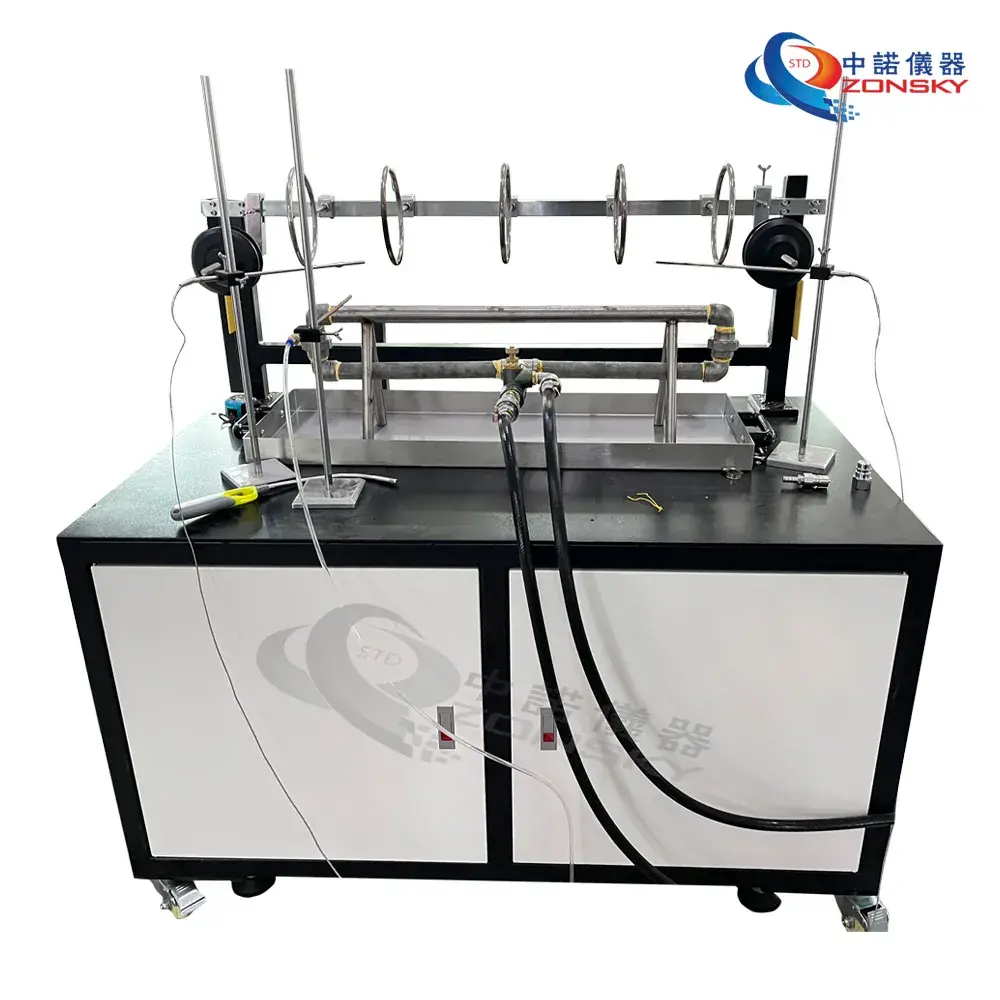
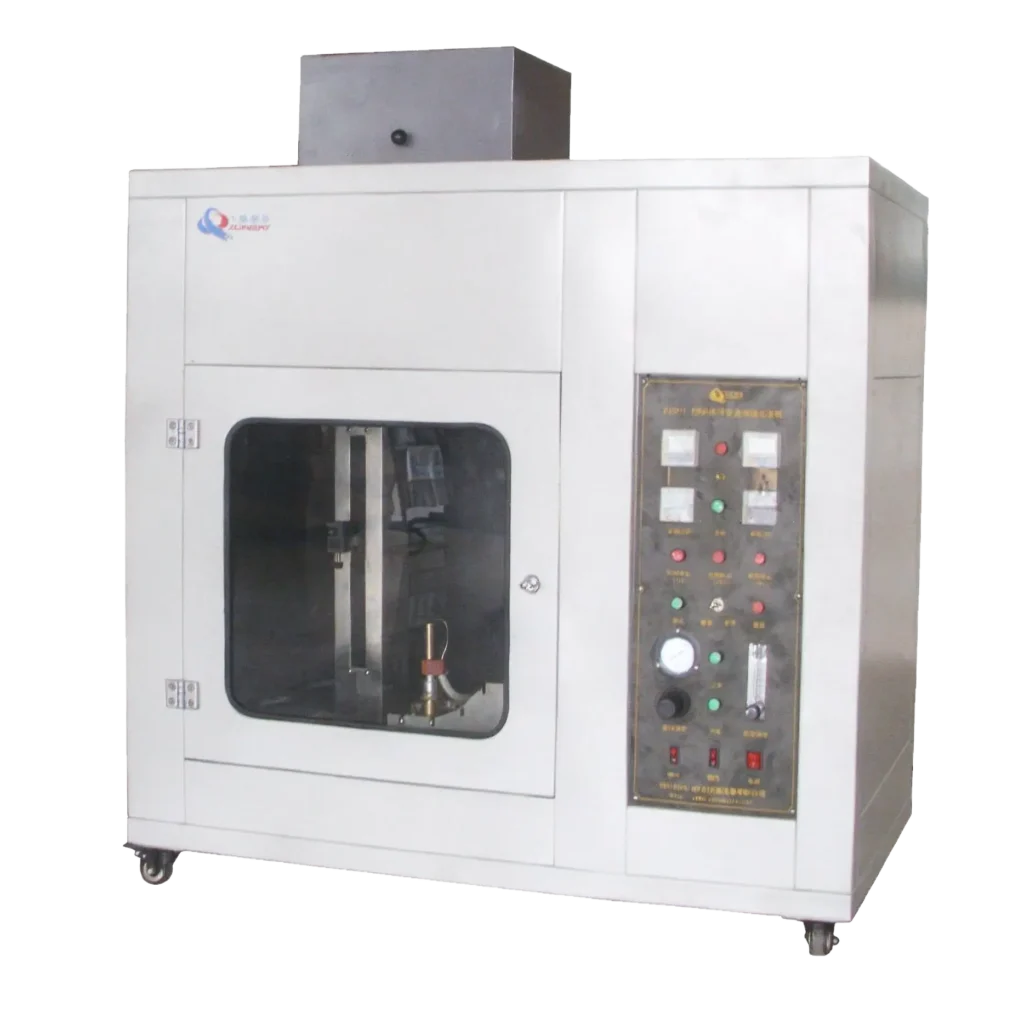
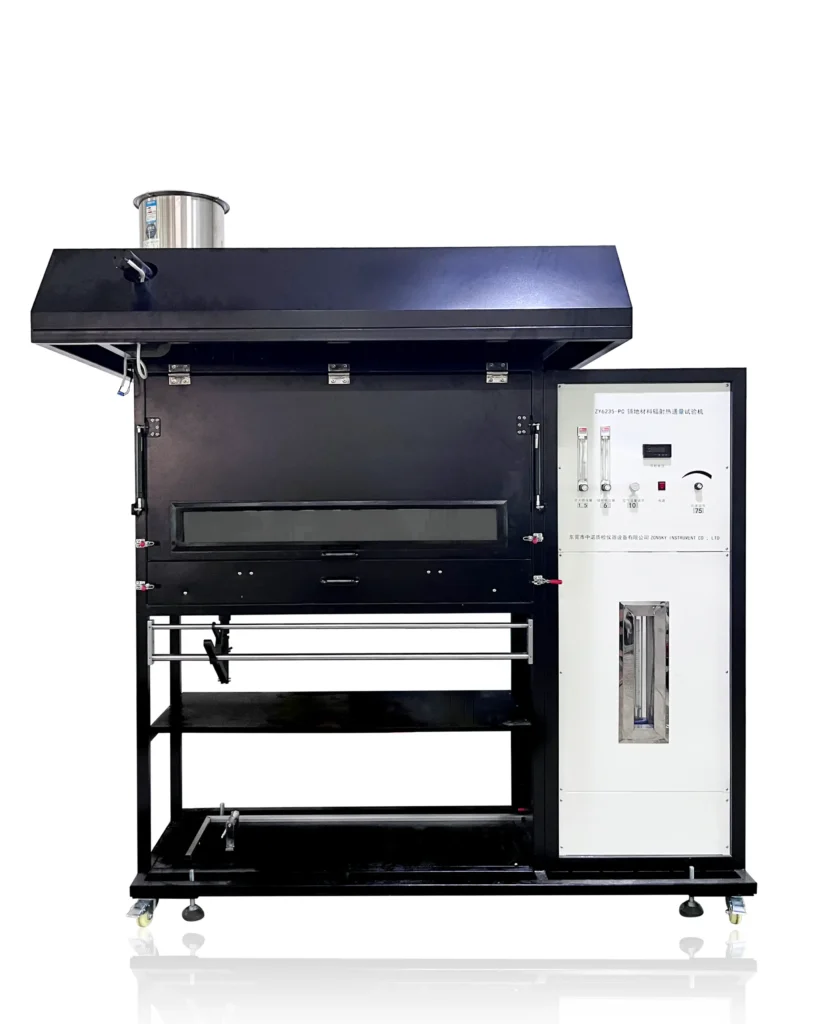
Advanced circuit integrity testing machines are meticulously designed to meet the world’s most stringent standards, primarily IEC 60331 and BS 6387. These standards simulate the brutal reality of a building fire to ensure cables can withstand the ordeal.
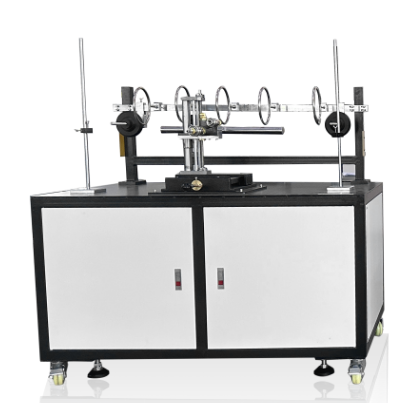
Fire resistance testing equipment
BS 6387 (The “Fire & Water” Challenge): Renowned for its rigor, the British BS 6387 standard evaluates cable performance under three extreme conditions:
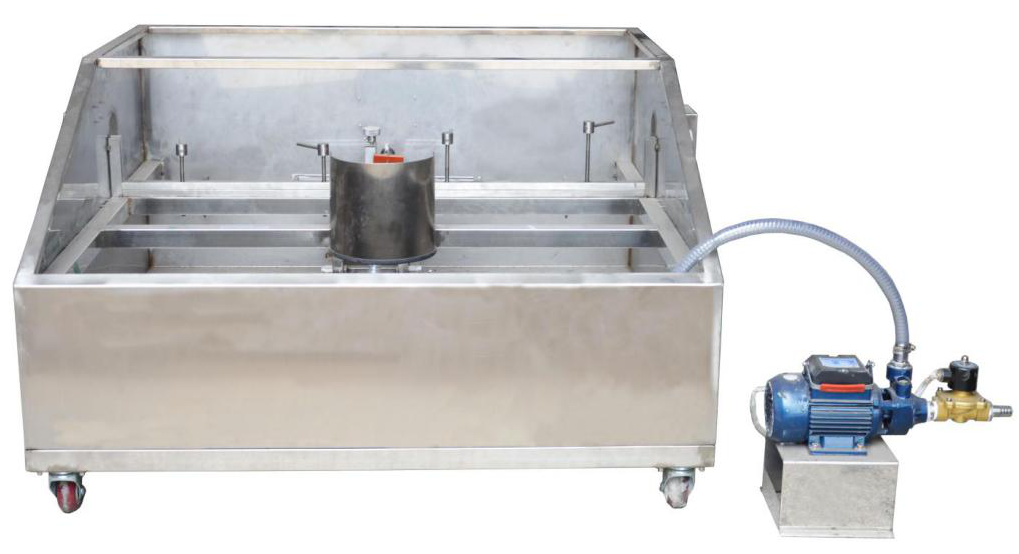
Water and fire resistance test bench (spraying device)
Beyond Flame Retardancy: The Hierarchy of Cable Safety
To appreciate the value of a circuit integrity testing machine, one must first distinguish between three often-confused cable properties:
A standard flame-retardant cable might stop a fire from spreading, but it could fail electrically within minutes under extreme heat. In contrast, cables tested for circuit integrity are engineered to survive.
Conclusion
In the realm of passive fire protection, there is no room for error. A fire-resistant cable is only as good as the test it has passed. By utilizing testing equipment that strictly complies with IEC 60331, BS 6387, manufacturers can ensure their products truly serve as guardians of life and property.
For more information about our Fire Resistance Testing solutions, please contact our technical team today.