
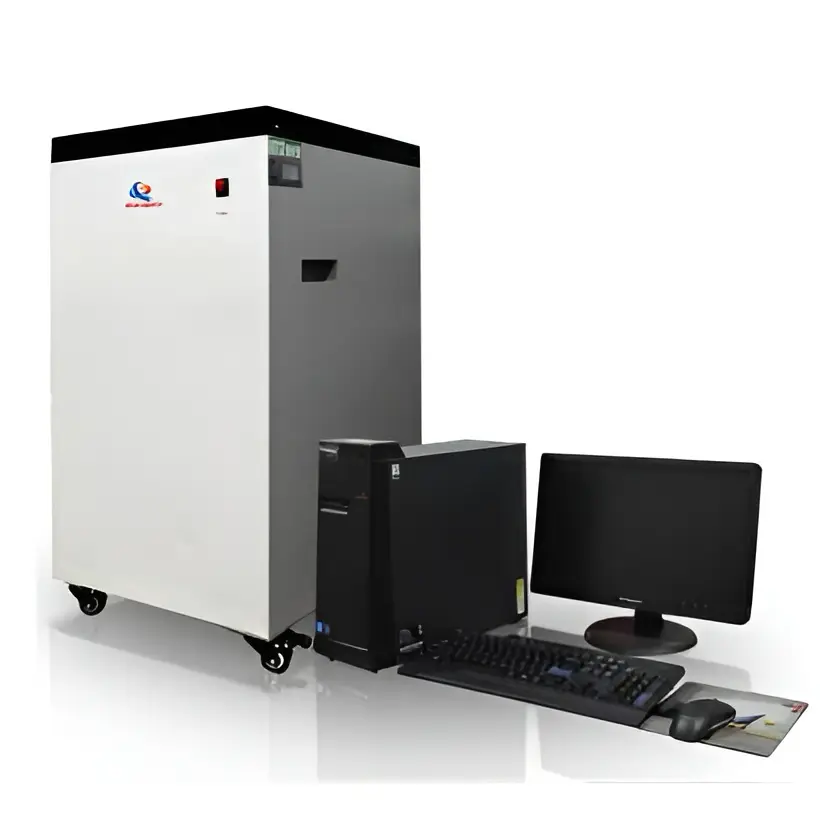
The cable caloric bomb test is a highly specialized fire safety test used to measure the total amount of potential heat energy stored inside the non-metallic parts of an electrical or optical fiber cable.
In international fire safety and construction standards, this test is officially designated as EN ISO 1716 (Reaction to fire tests for products – Determination of the gross heat of combustion). It is a mandatory requirement for classifying cables under the European Construction Products Regulation (CPR).
Why Is This Test Done on Cables?
Unlike a standard wall panel, a cable is a complex bundle of multiple materials—conductive copper or aluminum wires wrapped in layers of plastic jackets, insulation, bedding, and fillers.
If a building catches fire, bundles of cables running through walls, floors, and ceilings can act like fuses, releasing massive amounts of heat and rapidly spreading fire between rooms. The caloric bomb test determines the Gross Calorific Value (PCS) of the cable’s components. This data tells engineers exactly how much “fuel” the cable will add to a building fire.